

.jpg?fit=outside&w=1600&h=900)
Photos courtesy of The Science and Conservation Center
The Science and Conservation Center: Billings' Global Leader in Humane Wildlife Management
The Science and Conservation Center (SCC) traces its origins to 1971, when Congress passed the Wild Horses and Free-Roaming Burros Act. The Act protected wild horses and burros from capture, harassment, or death, but it also created a new challenge. Left unmanaged, wild horse herds can double every four to five years, placing significant strain on rangelands and habitat. Land managers needed options to balance herd sizes with the land’s capacity without harming the animals or degrading the environment.
Around that same time, Dr. Jay Kirkpatrick was a professor at Eastern Montana College. Employees from the Billings Bureau of Land Management approached him about whether contraception could help manage wild horse populations. At the time, the only management strategy was roundups. They were stressful and only offered a temporary solution. Dr. Kirkpatrick and his colleagues wanted a more humane, longer-term approach, one that stabilized populations without causing harm. That interest set the foundation for the research and programs that would eventually grow into SCC.
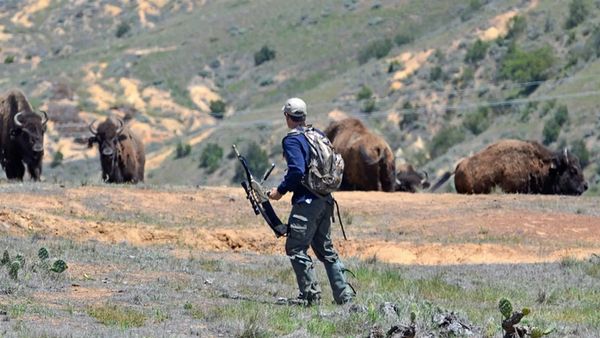
From its start in Billings, SCC represented something entirely new in wildlife management. Today, it is the only organization in the United States that researches, develops, and provides field- training in wildlife fertility control. Although they are based locally, SCC now works on wildlife projects worldwide . People travel from around the country to the SCC training center on the grounds of ZooMontana to learn how to safely and effectively apply their fertility control vaccine.
The Science and Conservation Center (SCC) traces its origins to 1971, when Congress passed the Wild Horses and Free-Roaming Burros Act. The Act protected wild horses and burros from capture, harassment, or death, but it also created a new challenge. Left unmanaged, wild horse herds can double every four to five years, placing significant strain on rangelands and habitat. Land managers needed options to balance herd sizes with the land’s capacity without harming the animals or degrading the environment.
Around that same time, Dr. Jay Kirkpatrick was a professor at Eastern Montana College. Employees from the Billings Bureau of Land Management approached him about whether contraception could help manage wild horse populations. At the time, the only management strategy was roundups. They were stressful and only offered a temporary solution. Dr. Kirkpatrick and his colleagues wanted a more humane, longer-term approach, one that stabilized populations without causing harm. That interest set the foundation for the research and programs that would eventually grow into SCC.
From its start in Billings, SCC represented something entirely new in wildlife management. Today, it is the only organization in the United States that researches, develops, and provides field- training in wildlife fertility control. Although they are based locally, SCC now works on wildlife projects worldwide . People travel from around the country to the SCC training center on the grounds of ZooMontana to learn how to safely and effectively apply their fertility control vaccine.
Partnerships are another key part of their work. SCC provides vaccines, training, and technical support to around 16 nonprofit wild horse groups, multiple federal agencies, and roughly 40 zoos at any given time. They also participate in management-level teams to help evaluate service areas and guide future program planning.
Being part of the Billings community has helped SCC communicate its mission more easily. People here tend to have a strong understanding of wildlife and public land issues, making conversations about fertility control more straightforward and productive.
Looking ahead, SCC is focused on developing a long-acting vaccine that could work for multiple years with a single treatment and booster. This advancement is especially important for managing wild horses in remote areas and may also play a role in urban deer management.
SCC also enjoys working with local science classes and developing opportunities for students to learn more about wildlife research. They welcome visitors and offer tours of their facility. To learn more, visit www.sccpzp.org.


