

What Does It Cost to Live in Billings?
A practical look at housing, groceries, getting around and the everyday costs of calling Billings home
Cost of living can be one of the hardest parts of researching a new city. You can compare indexes and national averages all day, but eventually you want to know something much simpler: What will life here actually cost me?
Billings lands somewhere in the middle. It isn’t the inexpensive Montana city it may have been a generation ago, particularly when it comes to housing. At the same time, rent remains below the national average, commutes are relatively short and Montana has no general sales tax.
As with any city, your own numbers will depend heavily on where you live, whether you rent or buy, the size of your family and how you spend your time. But if Billings is on your short list, here’s a realistic place to start.
Housing Will Be Your Biggest Variable
Housing is probably where newcomers will notice the biggest range.
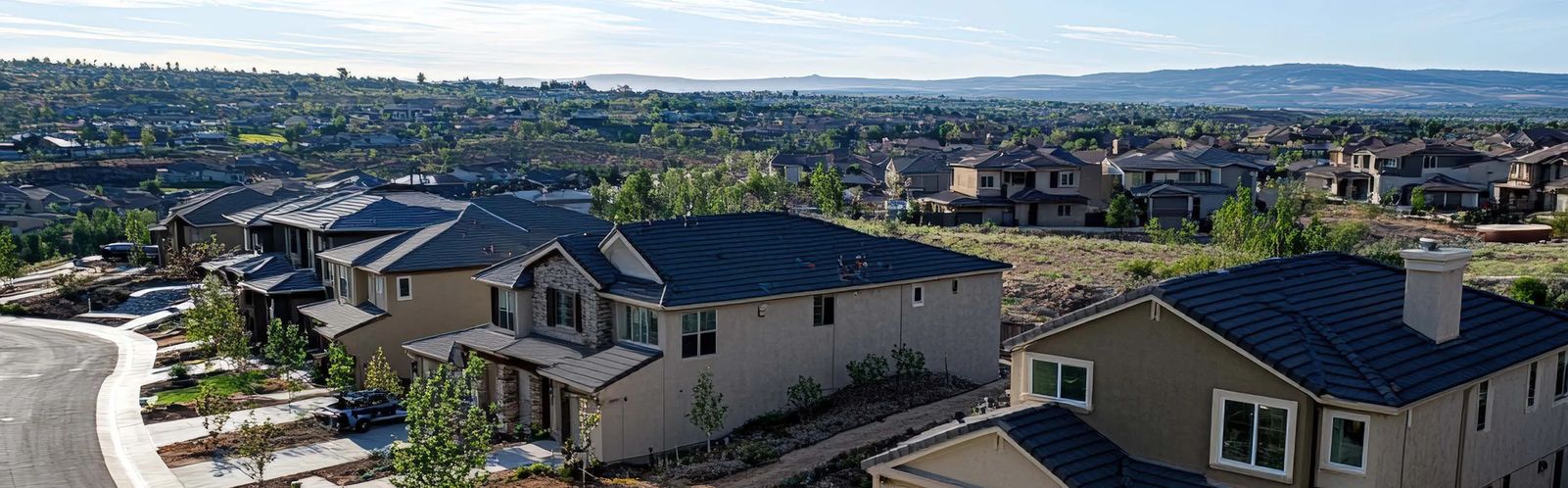
As of summer 2026, the median sale price for a home in Billings was around $390,000. That number can look very different depending on where you’re shopping. An older home on the South Side or in an established central neighborhood may be priced very differently from newer construction on the far West End.
There’s also a wide mix of housing here. You can find a small bungalow close to downtown, an established ranch home in Midtown, newer construction in the Heights or West End, and properties with acreage once you move toward Lockwood, Shepherd or the communities outside Billings.
That variety matters because there really isn’t one Billings housing market. Your budget and the kind of life you want will quickly narrow down where you begin looking.
For buyers, remember to look beyond the mortgage payment. Property taxes, homeowners insurance, utilities and maintenance all belong in the monthly calculation, particularly if you’re moving from a state where those expenses were structured differently.
Renting in Billings
Renters have a little more breathing room compared with many larger cities.
In September 2026, Zillow reported an average Billings rent of about $1,430 per month across property types and bedroom counts. That was considerably below the national average.
Of course, an average only tells you so much. A studio or older one-bedroom may come in well below that number, while newer apartments, larger homes and rentals on the outer edges of town can run substantially higher.
If you’re moving to Billings without knowing the city well, renting for a year can also give you something a spreadsheet can’t: time to learn where you actually spend your days. The part of town that looks perfect on a map may not be the one you eventually decide feels like home.
Groceries and Everyday Spending
Groceries in Billings probably won’t produce the biggest shock in your budget, but they aren’t immune to the same price increases households have felt everywhere.
MIT’s 2026 Living Wage Calculator estimates basic food expenses in the Billings metro at roughly $4,265 a year for one adult, or about $355 a month. For a two-adult household with two children, its basic food estimate is about $12,500 a year, a little over $1,000 a month.
Those are baseline estimates rather than a prediction of what your Costco run is going to look like. Families who buy more convenience foods, eat out often or have teenagers in the house know how quickly the grocery budget can take on a life of its own.
Billings does have plenty of choice. Along with the larger grocery chains, you’ll find Costco, Sam’s Club, Walmart and local specialty markets. Farmers markets and seasonal produce stands add more options during the warmer months.
One pleasant adjustment for people arriving from most other states is at the cash register: Montana does not have a general sales tax. The price on the tag is generally the price you pay for ordinary retail purchases.
Utilities and the Montana Seasons
Utilities are one category where the season matters.
Billings gets cold. A stretch of below-zero weather in January can make a heating bill look very different from one in May. Summer brings the opposite challenge, with hot, dry days that can increase air-conditioning and outdoor water use.
For homes inside the city, water and wastewater charges are based partly on usage. Residential garbage service through the City of Billings is relatively modest, with a standard 90-gallon container currently priced at $15.75 per month.
Electricity and natural gas costs vary much more depending on the home. Size, age, insulation, heating system and how warm you like the house in February all matter. When you’re house hunting, asking to see a year of previous utility bills can tell you far more than an online estimate.
Getting Around
Billings is spread out, so most households will want at least one vehicle.
The good news is that getting across town is usually manageable. According to U.S. Census data, the average Billings commute is about 16.5 minutes. That can feel refreshingly short if you’re moving from a major metro area.
Where you live still makes a difference. Someone living and working on the West End may barely cross town during the week, while living in Laurel, Shepherd or Huntley and working in Billings adds mileage to the household budget.
Fuel prices move too quickly to be particularly useful in a long-term relocation guide, so build some flexibility into that category. Montana distances also have a way of making weekend driving part of the lifestyle. A Saturday in Red Lodge, a day at the lake or a trip to Bozeman eventually shows up at the gas pump.
Childcare Can Change the Equation
For families with young children, childcare may be one of the largest expenses after housing.
MIT’s 2026 estimates put annual childcare costs for one child in a two-working-adult household in the Billings metro at just over $14,000. For two children, its estimate climbs above $26,000.
Actual costs vary considerably by age, provider and type of care, and finding the right opening can matter just as much as price. If childcare will be part of your move, it’s worth researching providers early rather than waiting until after you arrive.
Once children reach school age, Billings offers public schools throughout the city along with private and parochial options. Families living outside Billings may fall within separate districts such as Laurel, Lockwood, Shepherd or Huntley Project, so school boundaries should always be confirmed for a specific address.
Healthcare
Billings serves as the major medical hub for a large portion of Montana and northern Wyoming. That gives residents access to specialists and medical services that often require significant travel in smaller Montana communities.
The cost to your household will depend far more on insurance coverage than geography. MIT estimates basic medical expenses for two adults and two children in the Billings metro at a little over $10,500 annually, but that figure includes a modeled mix of insurance and out-of-pocket costs rather than what any particular family should expect to pay.
For someone relocating with ongoing medical needs, access may be just as important as price. It’s worth checking whether your insurance network includes local providers before making the move.
And Then There Are Taxes
Montana’s tax picture is a little different from many states.
There is no general sales tax, which is the difference newcomers are most likely to notice in everyday life. Montana does have a state income tax, and homeowners pay property taxes.
For 2026, Montana’s individual income tax rates are 4.7% and 5.65%, depending on taxable income and filing status. Tax situations get personal quickly, though, so those rates are better viewed as a starting point than a calculation of what you’ll actually owe.
If you’re comparing Billings with a city in another state, look at the whole picture. A place with lower income taxes may have higher sales taxes, property taxes or insurance costs.
So, What Does It Take to Live Here?
MIT estimates that a single adult living in the Billings metro needs to earn about $23.27 an hour working full time to cover basic needs in 2026. For two working adults raising two children, it estimates each adult would need to earn about $29.30 an hour.
For comparison, the Census Bureau reports Billings’ median household income at about $73,700 based on its most recent five-year estimate.
Those numbers help put things in perspective, but they still don’t tell the whole story. A household that bought a home several years ago lives with a very different monthly budget than someone buying today. A family paying for full-time childcare has a different equation than one with teenagers.
Cost of living is personal.
Building a Life Here
The best way to decide whether Billings fits your budget is to build one as though you already live here.
Pick a few homes or apartments you could realistically afford. Estimate the commute. Add utilities, groceries, insurance and childcare if you need it. Then leave room for the part of living in Montana that doesn’t show up on a cost-of-living calculator.
Dinner downtown. A Saturday in Red Lodge. A summer evening at Alive After 5. Gas for a drive into the mountains simply because the weather is too good to stay home.
Because figuring out whether you can afford Billings is important. Figuring out whether you can build the kind of life you want here matters just as much.