

Getting to Know Billings Neighborhoods
A newcomer’s guide to the different parts of the city
When you’re new to Billings, figuring out where everything is can take a minute. Locals toss around “the West End,” “the Heights” and “Midtown” as if the boundaries are obvious. They aren’t, especially when you’ve just arrived.
Billings is spread out, and the sandstone Rimrocks give the city a geography all its own. Some parts feel distinctly urban, while others put you within minutes of open space or a trail. There isn’t one “right” part of Billings. Each area offers a different version of life here, and getting to know them is one of the best ways to start feeling at home.
Downtown
Downtown is the center of Billings, both geographically and culturally. It’s the most walkable part of the city, with restaurants, coffee shops, galleries and locally owned businesses packed into a relatively small area. The Yellowstone Art Museum, Billings Public Library, Alberta Bair Theater and Dehler Park are all here, and the medical corridor sits just to the north.
Housing downtown looks different from much of the rest of Billings. You’ll find apartments, condos and loft-style living in and around the core, with older residential streets beginning just beyond it. For someone who likes being close to events, dining and the energy of the city, downtown can make everyday life feel connected.
Midtown
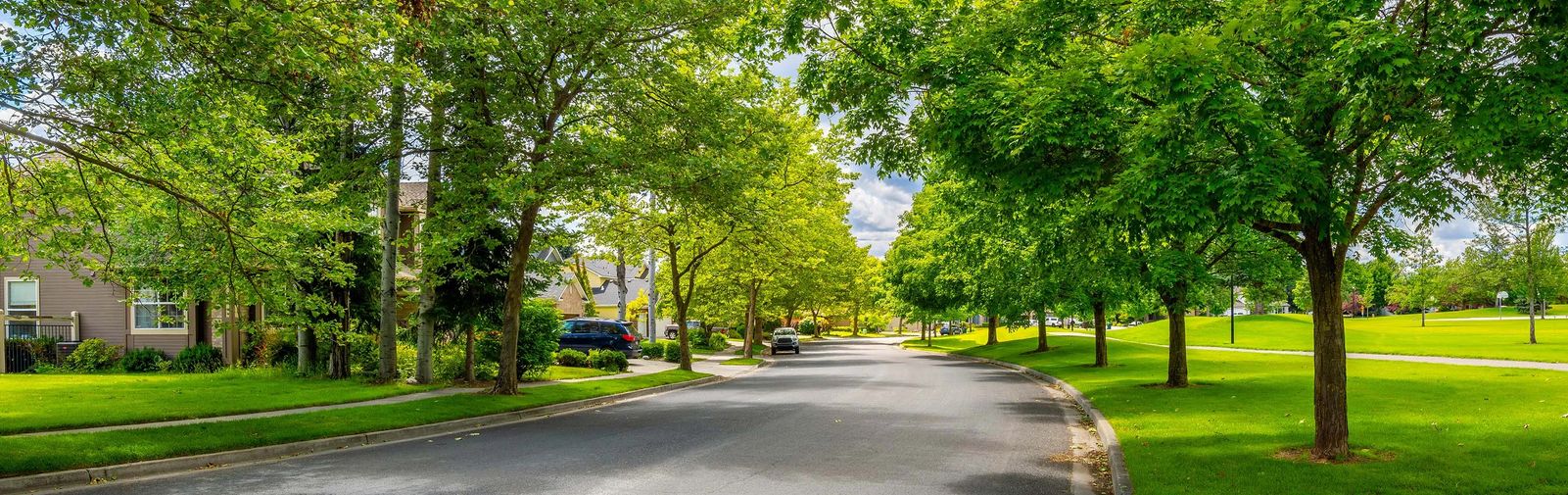
Head west and southwest from downtown and Billings begins to settle into Midtown. This is one of the city’s most established residential areas, filled with mature trees and older homes on streets that feel lived in. Ranch homes, bungalows and mid-century houses are common, with plenty of variety from block to block.
Midtown is also wonderfully central. Pioneer Park is a neighborhood anchor, and Senior High and Rocky Mountain College are nearby. Grand and Broadwater avenues make it easy to get across town, and errands rarely require going far. For families and newcomers who like an established neighborhood, Midtown offers a comfortable middle ground between downtown and newer development farther west.
North Elevation and the Rims
North of downtown, the city climbs toward the Rimrocks. North Elevation stretches along this sandstone edge and includes some of Billings’ most recognizable views. MSU Billings sits here, Rocky Mountain College is nearby, and the airport is just above the city on the Rims.
Homes range from older houses tucked into established streets to properties that take full advantage of the elevation. Swords Park and the Skyline Trail give residents easy access to walking and biking along the Rims. It’s a part of Billings that can feel surprisingly close to nature while still being only minutes from downtown.
The West End and Shiloh
The West End generally begins around 24th Street West and continues toward the city’s expanding western edge. Within it, you’ll find neighborhoods built several decades ago alongside new subdivisions, apartments and higher-end homes. It’s also one of the areas where Billings continues to grow.
This is Billings’ biggest concentration of shopping and everyday conveniences. Rimrock Mall, Shiloh Crossing, grocery stores and restaurants are spread throughout the area. ZooMontana and the Shiloh Conservation Area add some breathing room among the development.
Families are often drawn here for newer housing and easy access to amenities, while established pockets offer larger trees and homes with more history. It’s a broad part of town, so two West End addresses can feel very different.
The Heights and the Bench
Cross the Rims to the north and northeast and you’re in the Heights. It’s large enough to feel almost like its own community, with schools, shopping and recreation all within the area. The Bench, generally east of Main Street, is part of the larger Heights area and adds another distinct pocket to the mix.
Housing ranges from long-established ranch-style homes to newer neighborhoods and properties with more room. Lake Elmo State Park, Castle Rock Park and Two Moon Park give residents plenty of ways to get outside. Skyview High School is located here, along with several elementary and middle schools.
For people who like having most of what they need nearby, the Heights has a rhythm all its own.
The South Side
South of downtown, the South Side is one of Billings’ oldest parts of town and one with a strong sense of identity. It sits close to downtown, Interstate 90 and the Yellowstone River corridor, which keeps much of the city within a fairly easy drive.
Homes tend to be older and more modest in scale, with some of the city’s more approachable housing options mixed with renovation and new infill. South Park has long been a gathering place, and the south end of Billings also puts residents near Amend Park, Riverfront Park and trails along the Yellowstone.
It’s a part of town where Billings’ history and its next chapter often share the same block.
Lockwood
Just east of Billings, across the Yellowstone River, Lockwood is technically outside the city limits but very much part of the greater Billings community. It has its own school district and a more open feel than most in-town neighborhoods, with quick access to Interstate 90.
Lockwood appeals to people who want more space without moving too far from Billings. Depending on the property, that might mean a larger yard, room for a shop or acreage. Housing includes established ranch and split-level homes along with newer construction in some pockets.
Downtown is still close, but daily life can feel decidedly less urban.
Just Outside Billings
Laurel
About 15 miles west of Billings, Laurel is a true town in its own right. It has its own downtown, parks and public school system, with the Yellowstone River running along its edge. For people who want a smaller-town setting while keeping Billings within an easy drive, Laurel can offer a nice balance.
Housing includes established neighborhoods, newer homes and properties with more land toward the edges of town. School activities and community events still have the kind of pull you’d expect in a smaller Montana town. Many residents commute into Billings, but Laurel has enough of its own identity that you don’t have to leave town for every part of daily life.
Shepherd and Huntley Project
Head north and east from Billings and the landscape opens up quickly. Shepherd and the Huntley Project communities appeal to people looking for a more rural way of life, often with larger lots, acreage and a closer connection to the agricultural side of Montana.
These communities have their own schools and strong local identities. Huntley Project School District serves Huntley, Worden, Ballantine and Pompeys Pillar, while Shepherd has its own district.
Living here generally means more driving for work, shopping and entertainment in Billings, but for families who want elbow room and a smaller school-community atmosphere, that tradeoff can be exactly the point.
Finding Your Part of Billings
The best way to understand Billings is to spend some time moving through it. Drive the route you’d take to work. Stop at the grocery store you’d actually use. Find the nearest park, grab a coffee and see what the neighborhood feels like on an ordinary Tuesday rather than just during a house showing.
You may come to Billings expecting to live on the West End and fall for a Midtown street lined with old trees. You might discover that the Heights puts everything your family uses within a few minutes, or that a little extra drive from Laurel is worth having a smaller town waiting at the end of the day.
Once you learn how the pieces fit together, Billings starts to feel a whole lot smaller.